How to Balance Active Days and Rest Days With an Older Dog
A plain-spoken guide to pacing walks, play, and true rest for senior dogs with stiff joints.
Older dogs stay mobile with shorter, steady activity braided with real recovery, not weekend heroics.
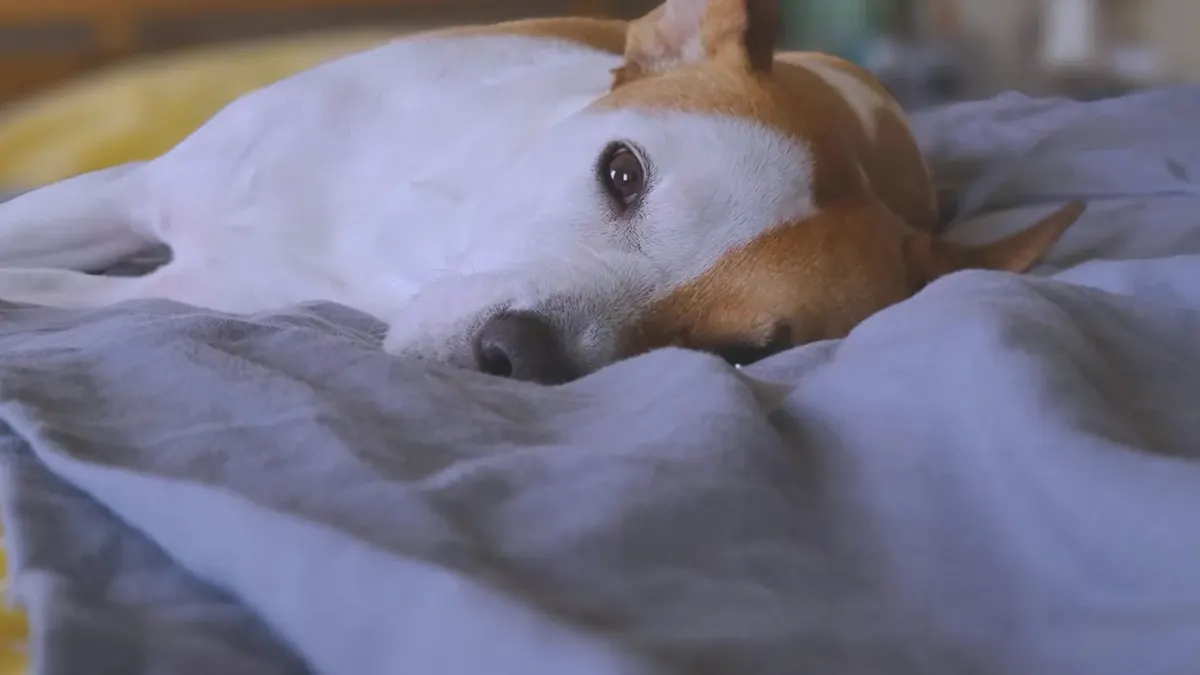
On this page
Sunday started bright for a 13-year-old, 64-lb mixed-breed who still lights up at the leash. His owner planned the old lakeside loop, and for the first half-mile he looked five years younger — nose up, tail loose. On the second hill he slowed, sat once, then finished. The next morning told the story: he needed about 45 seconds to push up from his bed, where he usually rises in under 10, and skipped the stairs to breakfast. That 24-hour lag is the decision point this guide is about.
A quick checklist to set tomorrow’s plan
- Keep total daily walking time steady within about 20% day to day, instead of long-short swings.
- Split movement into 2-3 short bouts rather than one long outing.
- Score stiffness 0-3 at waking, after activity, and next morning; hold steady if the next-morning score rises by 2.
- Make rest days active recovery: sniff walks, gentle range-of-motion, warm bedding, Tui-na style stroking along the back and hips.
- Support the whole plan with steady weight, traction, food therapy for digestion and muscle, and vet-guided pain care when needed.
- Call the clinic for new limping, crying out, swelling, or stiffness lasting past 48 hours.
That steady rhythm is the verdict: consistent moderate days beat boom-and-bust weekends for aging joints.
Short days protect tomorrow’s walk.
Why stiff mornings do not mean no walks
Cartilage and the tissues around a joint like gentle loading to maintain fluid movement and muscle tone, while too much loading leaves soreness that shows up the next day. This is where function matters more than the calendar. From a whole-patient view, movement circulates, rest consolidates, food therapy sustains muscle and digestion, and acupuncture and herbs may help support comfort where a veterinarian finds a pattern of stiffness and cold-seeking behavior. Evidence reviews describe glucosamine and related compounds in structure/function terms, but exercise pacing has more direct support in clinical guidance from sources like Merck Veterinary Manual and owner-facing arthritis overviews such as VCA Hospitals.
For detail on what those joint ingredients are actually shown to do, see The Best Joint Supplement for Dogs: What Holds Up to an Orthopedic Read and Does Hyaluronic Acid Actually Work for Dog Joints? What the Research Shows.
How to read the 24-hour lag
Think in function, not miles. A good active day ends with the dog tired but loose, drinking normally, settling within 30 minutes, and rising the next morning at baseline. Overdoing it looks different: lagging on the walk, heavy panting long after stopping, restlessness overnight, and that slow, careful rise the next day.
Last fall an owner tried to make up for a rainy week with a single 2.4-mile trail hike for a 9-year-old active retriever type. She kept up for the first mile, then started cutting corners, lying down at a creek crossing, and needing a lift into the car. The distance was the marker that changed — more than triple her usual 0.7-mile neighborhood route — and the price arrived that night as pacing and a reluctance to reposition. The tradeoff was clear: fitness did not carry over, soreness did. The fix was not quitting trails, but capping them near baseline and adding a second short evening sniff walk instead.
Use that lag as your dial. If mornings are worse for two days after a big day, that big day was too big. Trim the longest outing by one-third, keep surfaces forgiving, and hold the new level for a week before adding time.
What rest days should actually include
Rest is not crate rest unless the veterinarian prescribes it. For a stiff senior, a useful rest day still braids the four modalities into one plan: brief leash movement to maintain circulation, bodywork to maintain soft-tissue ease, warming food therapy to support digestion and steady body condition, and any prescribed acupuncture or herbal plan left unchanged.
Try this pattern:
- 10- to 15-minute flat sniff walk, twice, at a dog-chosen pace with sits allowed
- 5 minutes of gentle Tui-na style effleurage over shoulders, lumbar muscles, and thighs — never pressing directly on bone or a sore joint
- Traction rugs, raised bowls if neck-stiff, and a warm, draft-free bed
- Mental work: nose games, licking mat, short training reps done lying down
- Weight check monthly; extra pounds load every step
If you are comparing support products alongside this routine, run them through Dog Hip and Joint Supplement: What Actually Matters Before You Buy One and the Dog Joint-Support Supplement Label Disclosure Checklist.
A 10-minute walk that ends loose beats a mile that ends lame.
When to shorten the loop and call the vet
Most pacing problems resolve with three steady days. Bend the usual advice after illness, a medication change, a slip on ice, or a night of repeated getting up and resettling. In those weeks, drop to half-distance potty loops and watch one marker closely.
One household learned this after a dental procedure kept their senior quiet for four nights in a row. He ate, but rose slowly and twice whined when shifting in the night — two interrupted nights after months of sleeping through. Instead of pushing a catch-up walk, they stayed on the block for short outings for five days, added rugs to the hallway, hand-fed warm meals with broth, and called the clinic about pain support. By day six he was asking to go farther. The usual rule says build back gradually; the bend was building back even slower, and letting nighttime rest settle first.
Seek prompt care for non-weight-bearing lameness, sudden swelling, yelping, fever, loss of appetite with lameness, or any decline that does not rebound within 48 hours of scaling back.
Frequently asked questions
How much walking is right for a senior dog with arthritis?
There is no single number. Start from what leaves the next morning unchanged, often 10-20 minutes twice daily on flat ground, then adjust by the 24-hour response and your vet's pain plan.
Should rest days mean no walks at all?
Usually not. Short leash sniff walks, traction at home, and gentle bodywork maintain circulation better than full stillness, unless your veterinarian prescribes strict rest.
What is the clearest sign we overdid an active day?
Next-morning stiffness that is markedly worse than baseline, reluctance on stairs, or needing help to rise, especially if it lasts more than a day.
Sources
- Degenerative Arthritis in Dogs and Cats — Merck Veterinary Manual
- Arthritis in Dogs — VCA Hospitals