How to Plan Shorter, More Frequent Walks With an Older Dog
A vet guide to splitting walks for senior dogs with stiff joints — how long, how often, and what signs mean to adjust.
Plan shorter, more frequent walks for your older dog to protect stiff joints while keeping daily movement steady.
On this page
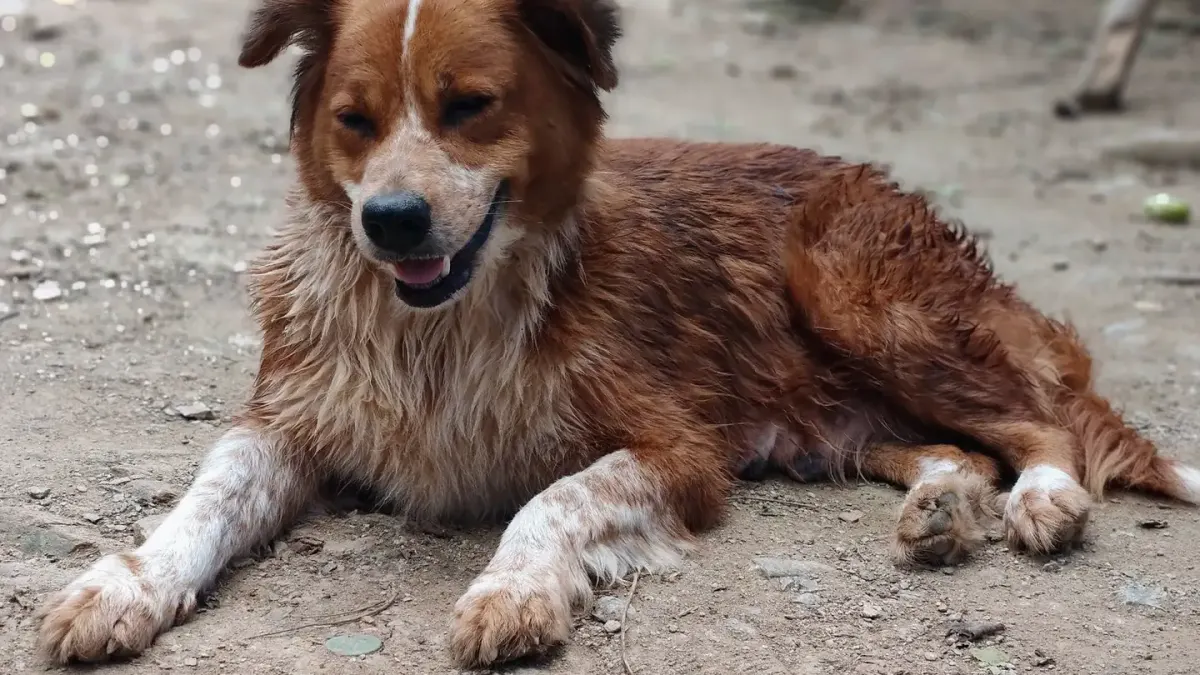
It is a damp Tuesday in October, and a 12-year-old Beagle who used to pull toward the park now plants her feet after one block. Her owner worries she is being lazy, but what I see is familiar: a stiff start, a slow warm-up, then a better second five minutes, followed by a hard fade at minute twenty. The decision we are making together is not whether to walk, but how to divide the same daily movement into pieces her joints can actually use.
That is my core recommendation, and I will defend it plainly: for most older dogs with stiffness or mild osteoarthritis, two to four short walks beat one long walk. Short bouts maintain muscle, support joint lubrication and circulation, and limit the cumulative load that leads to next-day soreness. What would change my mind is a well-controlled trial showing that one sustained walk improves mobility scores more than matched total time split across the day. We do not have that trial, and the current orthopedic and geriatric guidance points the other way, toward consistency over distance.
Why one long walk stops working for aging joints
Inside a healthy joint, cartilage glides on a thin film of synovial fluid, and gentle motion helps distribute that fluid and nourish cartilage that has no blood supply of its own. With age and osteoarthritis, cartilage thins, joint fluid changes, surrounding muscle weakens, and low-grade inflammation makes start-up stiffness common.
A long walk overloads that system in two phases. The first ten minutes may actually help, as the dog warms up and moves more freely. After that, fatigue changes gait, arthritic joints take more shear with each step, and soft tissues that stabilize the hips, knees, and spine tire. Owners often do not see the cost until that evening, when the dog is slow to rise, or the next morning, when stairs are suddenly harder.
This is where VCA Hospitals frames arthritis care around weight control, consistent low-impact activity, and pain management rather than pushing through stiffness, and that matches what I see in practice. Movement supports function, but dose matters.
A simple split that most senior dogs tolerate
Forget mileage goals for a week. Think in minutes and recovery.
For a dog currently managing one 30-minute walk with post-walk soreness, I often suggest starting with two 12- to 15-minute walks, morning and early evening, on flat, forgiving ground. If recovery is clean for three to four days — normal appetite, willing to start the next walk, no extra panting, limping, or long lie-down afterward — add a third midday outing of 8 to 10 minutes rather than lengthening the existing ones.
Pace matters more than distance. Let the dog sniff, choose a comfortable amble, and pause rather than marching. Keep leash pressure light, avoid steep hills and slick floors at turnarounds, and keep the total daily time about the same or slightly less during the transition week. You can read more about what consistent support looks like alongside movement in The Best Joint Supplement for Dogs: What Holds Up to an Orthopedic Read and Dog Hip and Joint Supplement: What Actually Matters Before You Buy One.
Recovery is your report card.
When pushing through backfires
A 9-year-old, 68-pound Labrador mix came to me after a good-intentioned reset: his family had tried one brisk 2-mile loop every Saturday to make up for short weekday outings. For two hours afterward he seemed happy and tired. That night he paced, needed help onto the couch, and skipped breakfast the next morning before eating at noon.
We changed nothing except distribution. Same neighborhood, same harness, but three 12-minute loops on Saturday with rest and water between, plus a brief Sunday morning stroll instead of complete rest. Within 10 days his evening restlessness settled, and his Monday morning stair climb went from a 90-second hesitant effort to about 40 seconds with only one pause. The lesson was not fitness. It was fatigue management: tired muscles stop protecting sore joints.
If you see that pattern — fine during, worse 6 to 12 hours later — shorten the next walk by one-third and add a walk rather than subtracting movement altogether.
Short walks only work if pain is honestly managed.
That means watching for quiet signs: lagging behind on a familiar route, sitting down mid-walk, licking a wrist or knee afterward, stiffness lasting more than 15 to 20 minutes after rest, or reluctance the next morning. Those are medical signals, not disobedience. The American Veterinary Medical Association notes that senior dogs benefit from more frequent checkups and attention to mobility, comfort, and weight, and I lean on that schedule to catch dose and pain-plan problems early.
This is also where I stay honest about supplements. Glucosamine, chondroitin, and omega-3 sources are widely used to support joint structure and may help support mobility as part of a broader plan, but the clinical evidence is mixed and no chew replaces weight control, appropriate exercise, and veterinary pain management. For help reading labels without overpromising, see Dog Joint-Support Supplement Label Disclosure Checklist and Does Hyaluronic Acid Actually Work for Dog Joints? What the Research Shows.
When the usual split has to bend
Not every older dog fits the two-or-three-walk template. A 14-year-old Dachshund with spinal stiffness and a heart murmur taught his owner to think in even smaller pieces. Two 15-minute walks left him panting and flat for the evening, so we bent the rule: four 6-minute sniff walks around the same quiet cul-de-sac, all before 7 p.m. so nighttime rest was undisturbed.
The number that told us it worked was sleep. He went from three broken nights in one week to six settled nights out of seven, with fewer 2 a.m. repositioning groans. On bad-weather days they did hallway scent games and slow weight-shifts instead of forcing a walk. On good days they kept the fourth outing but did not extend it.
Use that logic for your own edge cases: very arthritic dogs, post-surgical recovery, cardiac disease, extreme heat or cold, or unsafe footing. Keep frequency, shrink duration, and protect sleep and next-day willingness above step count.
What does this mean at home this week? Pick flat routes, time two short walks, and let recovery decide the third.
Frequently asked questions
How short should a senior dog walk be?
Start with 10 to 15 minutes on flat ground, twice daily, then adjust based on recovery over the next 12 to 24 hours rather than how the dog looks mid-walk.
Is it better to walk an older dog every day?
For most seniors, gentle daily movement beats weekend-only long walks. Keep the routine consistent and shorten individual outings when stiffness lingers after rest.
Sources
- Arthritis in Dogs — VCA Hospitals
- Senior Pets — American Veterinary Medical Association