How to Tell Post-Walk Tiredness From Soreness?
Learn how normal fatigue, conditioning, and joint soreness look different after walks, and when to call your vet.
You can tell happy tiredness from soreness by how fast — and how evenly — your dog bounces back.
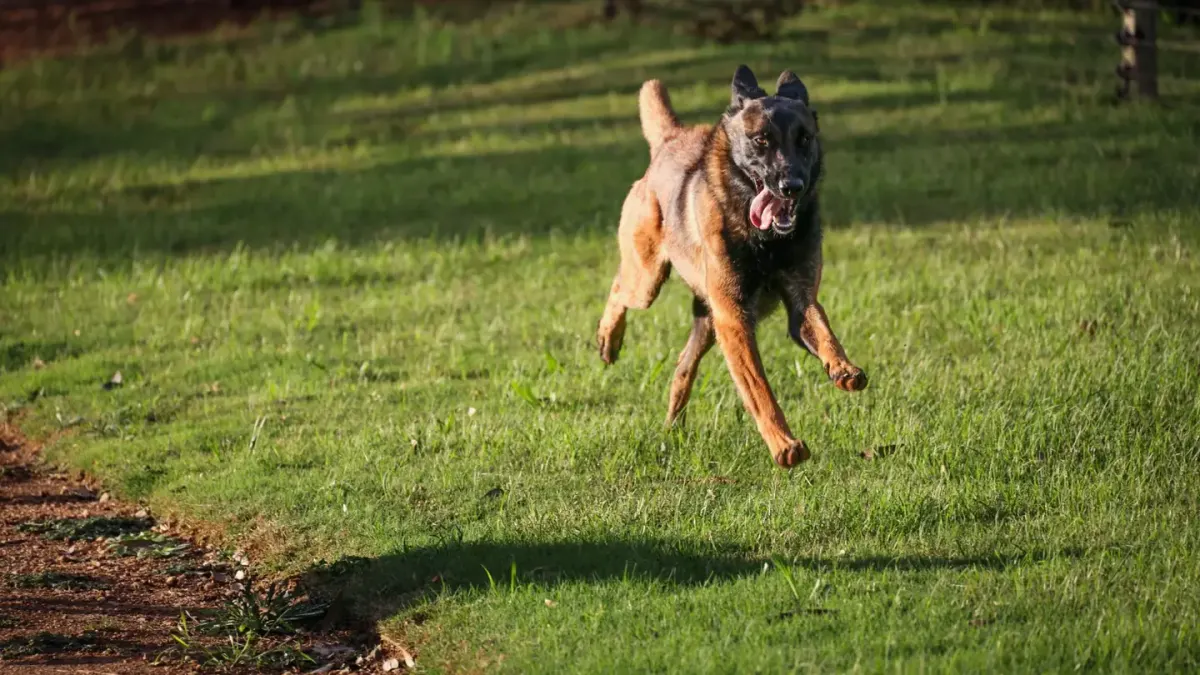
Roy knew Rollie loved his evening loop around the Nashville neighborhood, but at 11 years old the intact Weimaraner had started writing a different ending to the same one-mile walk. Some nights he drank water, circled twice, and slept soundly for two hours. Other nights he hesitated at the two front steps, lay down stiffly, and needed coaxing to get up the next morning.
That contrast is the whole diagnostic test. Normal post-walk tiredness is symmetrical, calm, and short-lived. Soreness is asymmetrical, hesitant, and it lingers into the next activity.
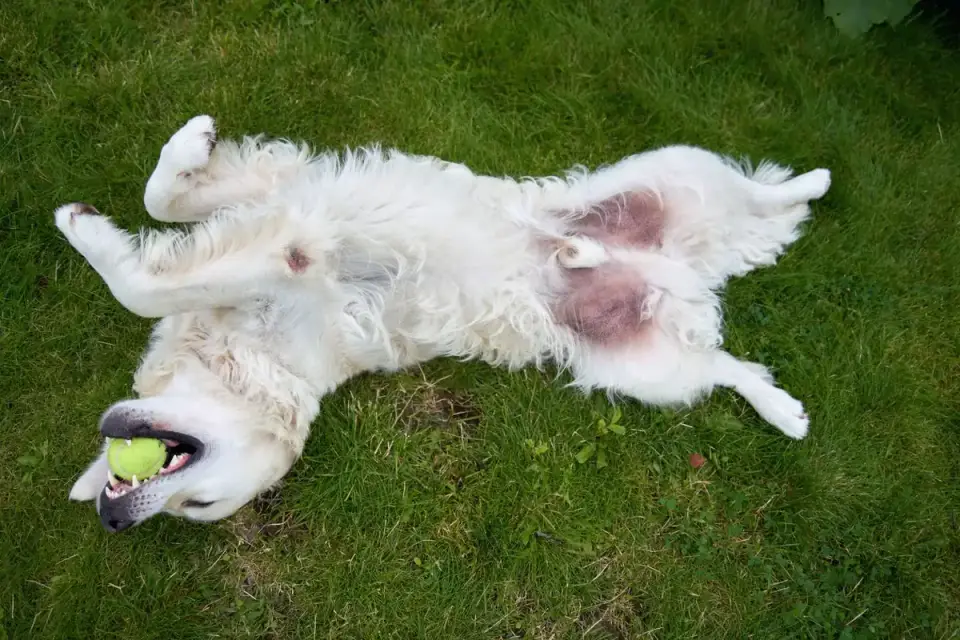
Tired looks even; sore looks uneven
A tired dog still moves well. Panting slows within 10 to 20 minutes, the gait stays fluid, and the dog chooses to rest but can get up, turn, and settle without complaint. Appetite and tail carriage stay normal, and after a nap the dog is ready to go again.
Soreness breaks that symmetry. Watch for a shortened stride in one leg, stiffness rising after rest, lagging behind on a familiar route, sitting out a turn, licking a joint, or yelping when brushing a hip or shoulder. Vets often see owners report that the first five minutes of the next walk are the worst, then the dog “warms out of it” — a classic pattern for osteoarthritis-related stiffness described by VCA Hospitals and the American College of Veterinary Surgeons.
That pattern matters more than any single limp. One slow evening after a longer, hotter, or hillier walk can reflect deconditioning. A repeated morning-after stiffness, especially after rest, points toward joint pain rather than fitness.
The 2-hour and next-morning checks
I sort most cases with two time points, because recovery tells more than effort.
By two hours after the walk, a healthy but tired dog should be breathing quietly, willing to stand for water or a treat, and lying in a normal curled or side position rather than shifting weight constantly. Continued panting at rest, restlessness, or refusal to lie on one side deserves attention.
By the next morning, tiredness should be gone. If the dog is still stiff getting up, resists stairs he handled yesterday, or cuts a usual 30-minute walk to 15 minutes for two or three outings in a row, treat that as soreness until proven otherwise. Keep a simple log for a week: distance, surface, temperature, time to settle, and morning stiffness scored 0 to 3. Trends beat memory.
Age and condition shape those cutoffs. Puppies fade fast and rebound fast. Seniors, overweight dogs, and brachycephalic breeds fatigue sooner, and heat amplifies everything. That is why sizing matters as much as distance — the approach used for best low-impact activities for overweight dogs and for deciding whether fetch vs. structured walks actually serves joints better applies here too.
What changes the walk, what needs the vet
For tiredness, adjust load before you add anything else. Shorten distance by a third, keep to grass or packed trail instead of concrete, walk in cooler hours with water breaks, and build back no more than about 10% per week. Dogs with no yard can get the same conditioning effect from split sessions, as outlined in how to exercise a dog with no yard.
For suspected soreness, look for red flags that should prompt a veterinary exam rather than another test walk: non-weight-bearing lameness, swelling or heat in a joint, crying out, lameness lasting more than 48 hours, repeated slowing on a previously easy route, or any collapse, pale gums, or vomiting after exercise. The rehab literature also emphasizes that persistent loss of thigh or shoulder muscle alongside stiffness often signals chronic off-loading, a theme covered in how to rebuild muscle in a senior dog.
This is where expectations about nutrition need weighing. Weigh what a supplement can realistically do for diet, mobility, and recovery: glucosamine and chondroitin are among the most studied joint-support ingredients for dogs, and green-lipped mussel contains omega-3 fatty acids and glycosaminoglycans that have been studied for joint support, but none of them rebuilds fitness, trims excess weight, or replaces diagnosis. They may help support normal joint structure and mobility as part of a whole plan — appropriate food intake, lean body condition, and consistent low-impact movement — rather than masking pain so a dog can walk farther.
Roy’s answer for Rollie was not a new product. It was a shorter, flatter morning route, a rest day after longer outings, and a vet visit when the step hesitation persisted past two days. Tiredness forgives. Soreness repeats.
Frequently asked questions
How long should post-walk tiredness last?
Most healthy dogs settle within 1 to 2 hours and wake up normal the next morning. Stiffness after rest or lameness beyond 48 hours is more consistent with soreness and warrants a vet check.
Does warming out of stiffness mean it is not serious?
No. Loosening up after the first few minutes is common with osteoarthritis-related stiffness. Track how often it happens and how long morning stiffness lasts, and share that log with your veterinarian.
Sources
- Arthritis in Dogs — VCA Hospitals
- Osteoarthritis in Dogs — American College of Veterinary Surgeons