The Role of the Joint Capsule in a Dog's Joints
How the canine joint capsule stabilizes, lubricates, and protects synovial joints — and what capsule stiffness means for gait and comfort.
Load travels through the capsule first, so stiff capsules change how the whole dog moves.
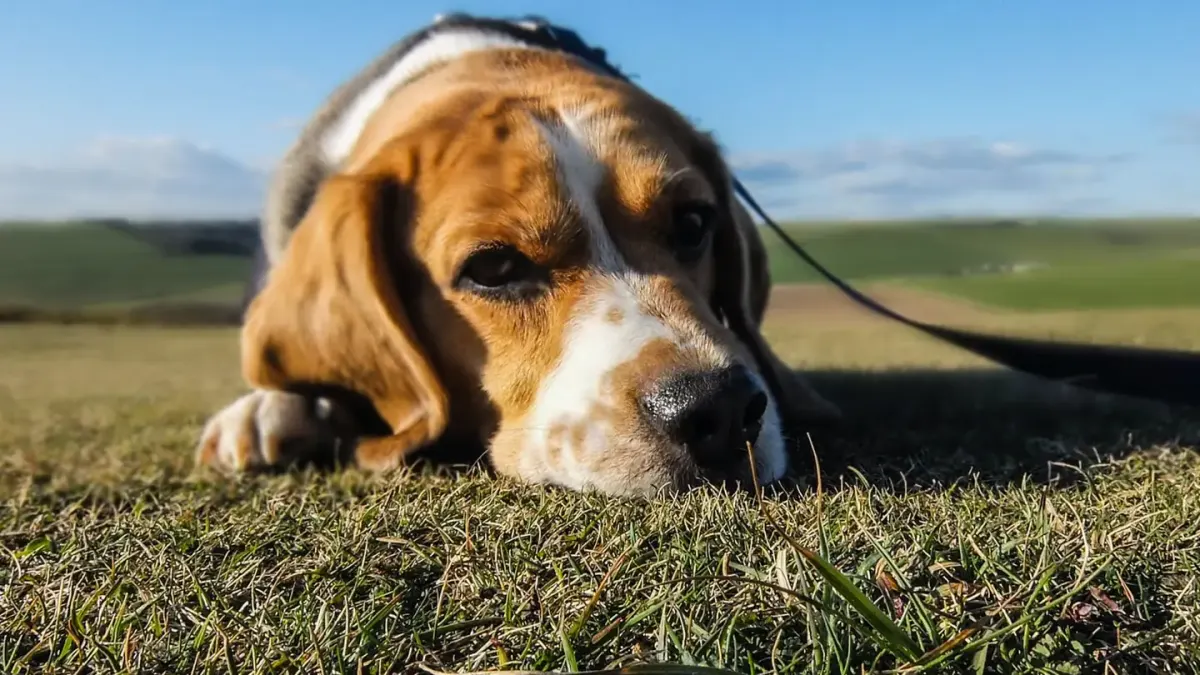
A five-year-old Border Collie hesitates for half a beat before loading her left carpus off the agility A-frame, then lands and shortens the next three strides through the shoulders. Her owner worries about muscle strain, but on palpation the glide of that joint feels thickened, with 15 degrees less carpal extension than the right side. That restriction traces back to load moving through the joint capsule first. In rehab, gait tells us where the capsule has stopped sharing load well, long before radiographs explain the limp.
Check what the capsule is doing before you chase the cartilage:
- Containment: sealed sleeve holds synovial fluid around cartilage
- Stability: outer fibrous layer plus ligaments resist excess glide and twist
- Lubrication and nutrition: inner synovial membrane regulates fluid exchange to cartilage
- Sensation: nerve endings report stretch, pressure, and position to guide muscle timing
- Response to load and injury: thickening, effusion, or fibrosis after overload changes range
The verdict from a sports-medicine view: protect capsular glide and even load-sharing, and the rest of the joint has a chance to stay comfortable. Lose that glide and gait compensates around it.
How a sealed sleeve shares load
Watch a trotting dog from the side and load travels from paw upward through carpus, elbow, shoulder, or through tarsus, stifle, hip. Each synovial joint in that chain is wrapped by a capsule with two layers working together. The outer fibrosa, dense collagen continuous with periosteum, resists distraction and abnormal rotation. The inner synovial membrane, a thin cellular lining, produces and reabsorbs synovial fluid.
Movement compresses one side of the capsule and stretches the other. That pressure cycle pushes fluid across cartilage, which has no blood supply of its own. Healthy hyaline cartilage depends on that exchange for nutrition and waste removal, a relationship summarized in basic synovial joint references from the U.S. National Library of Medicine and veterinary anatomy teaching at Cornell University College of Veterinary Medicine.
A short paragraph holds the point.
Capsular nerves matter as much as mechanics. Free nerve endings and mechanoreceptors in the fibrosa signal joint position and end-range stretch. Muscles around the joint adjust timing within milliseconds. When effusion distends the capsule, that signaling shifts, and the dog unloads the limb to avoid the stretched, uncomfortable end range.
When the capsule thickens instead of gliding
Repeated overload, a sprain, immune-mediated inflammation, or early osteoarthritis can change the capsule itself. Synovitis brings extra fluid and cells. With time the fibrosa lays down denser collagen and loses elasticity. Clinicians call that fibrosis or capsular contracture. Flexion and extension narrow, warm-up takes longer, and lameness looks worse after rest.
A nine-year-old chocolate Labrador Retriever who swam retrieves four mornings a week started refusing the last 50 yards of a half-mile shoreline walk. Trials of rest alone did not restore him. On exam both stifles showed a firm, doughy thickening alongside the patellar tendon and a palpable effusion, with lameness that eased only after 10 minutes of slow leash walking. The pattern pointed less to a single torn structure and more to bilateral capsular irritation that needed load management, weight control, and a graded return to activity rather than another week of crate rest.
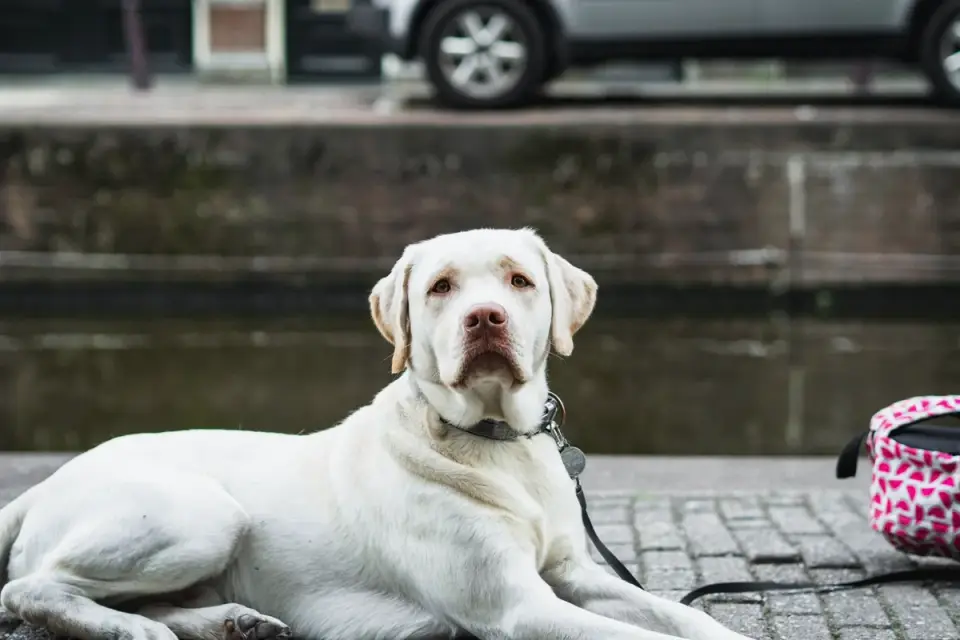
That case complicates the usual supplement-first response. Glucosamine, chondroitin, and fatty-acid products may help support joint comfort and mobility as part of a whole-patient plan, but they cannot stretch a fibrotic capsule or restore timing to muscles that have learned to guard. Manual therapy, controlled range-of-motion work, Tui-na style soft-tissue mobilization around but not through an irritated joint, acupuncture for regional muscle tension, and progressive strengthening address the movement problem directly.
What keeps capsular health, and where it bends
For most adult dogs, the priorities stay mechanical: maintain lean body condition, keep daily low-impact motion, avoid weekend spikes in running or jumping, provide traction on floors, and address small gait changes early. Puppies with developmental orthopedic disease, seniors with chronic stiffness, and performance dogs with repetitive loading need that same foundation adjusted to their risk.
An 11-month-old 68-pound German Shepherd prospect started knuckling slightly on the left forelimb after two back-to-back training days on hard ground, with the owner counting only four hours of sleep that second night because the pup paced and repositioned. Radiographs showed open growth plates and no fracture, but the elbow capsule stayed puffy and warm for six days. The plan bent away from standard adult conditioning: no repetitive weave or jump work, short leash walks on grass instead of road miles, body-weight tracking every two weeks, and referral for orthopedic and rehab evaluation before any return to impact. Growing joints do not follow adult timelines.
Owners comparing options can learn label-reading basics from The Complete Guide to Dog Joint Health and Mobility, How to Read a Dog Joint-Support Supplement Label, and Dog Hip and Joint Supplement: What Actually Matters Before You Buy One. For hyaluronic acid specifically, Does Hyaluronic Acid Actually Work for Dog Joints? What the Research Shows separates joint-fluid biology from marketing language.
Seek veterinary evaluation promptly for hot, markedly swollen joints, non-weight-bearing lameness, fever, sudden loss of range, or stiffness that worsens over 48 hours despite rest.
Frequently asked questions
What does the joint capsule actually do?
It seals synovial fluid around the joint, adds stability through its fibrous outer layer, helps nourish cartilage through fluid exchange, and senses stretch and position to guide muscle support.
Why does a dog with capsular stiffness look worse after rest?
Thickened synovium and extra fluid resist initial glide, so the first minutes of motion feel restricted until gentle movement redistributes fluid and warms surrounding tissues.
Can a supplement fix a tight joint capsule?
No supplement restores lost range on its own. Nutrition to may help support joint comfort and mobility works best alongside weight control, controlled exercise, and rehab aimed at gait and load-sharing.
Sources
- PubMed Biomedical Literature Database — U.S. National Library of Medicine
- College of Veterinary Medicine Home — Cornell University College of Veterinary Medicine