What Sports Science Says About Cool-Down Periods for Canine Athletes
Do dogs need a cool-down after hard exercise? A vet explains thermoregulation, stiffness, and a 5-10 minute active recovery plan.
A short, easy cool-down clears heat and stiffness faster than crating a hot, panting dog.
On this page
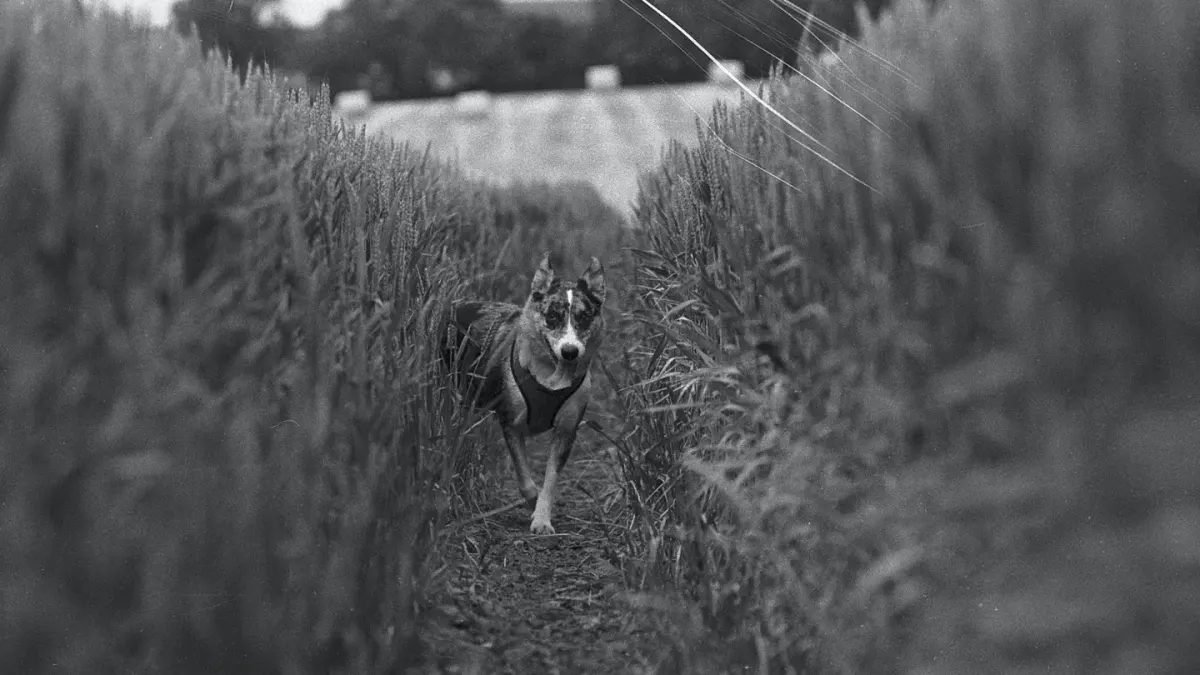
A four-year-old Border Collie slides out of the weave poles at an agility trial in late May, tongue long, sides heaving, and her handler does what most of us do — unclips the leash, offers water, and crates her to rest before the next run in 40 minutes. Twenty minutes later the dog is still panting hard, stands stiff when lifted out, and moves short behind for the first three jumps. That post-run window is where cool-down science lives, and in dogs it has less to do with flushing lactic acid and more to do with heat, breathing rate, joint fluid, and nervous-system downshift. I weigh it as recovery support, not treatment, and frame the benefit as may help support normal mobility and return to resting state.
The checklist I use for canine athletes:
- 5–10 minutes of decreasing intensity, not a dead stop
- Nose-to-tail check: breathing effort, gait symmetry, foot and pad heat
- Flat, sniff-friendly walking before water, food, or crate
- Extra time for heat, humidity, brachycephalic breeds, seniors, and unconditioned dogs
- Skip intense stretching right after work; save mobility work for later
- Log what changed so next session starts smarter
Why a hard stop hurts more than an easy finish
Exercise physiology in dogs centers on panting and peripheral blood flow. Dogs store heat fast during sprints, fetch repetitions, or agility, and panting is their radiator. Stopping cold and crating traps heat and keeps sympathetic drive high, while easy movement keeps venous return steady, keeps synovial circulation going, and lets respiratory rate fall gradually.
Human cool-down literature is mixed on soreness prevention, but the thermoregulation argument is stronger in dogs because they cannot sweat efficiently. Guidance from VCA Hospitals on heat load and prolonged panting underscores why a hot dog needs airflow, shade, and time rather than confinement right after exertion. The Merck Veterinary Manual similarly frames exercise intolerance around cardiovascular recovery and heat dissipation, not just fitness.
This is one short, substantive paragraph: plan the last tenth of every workout as on purpose as the first.
What a 5- to 10-minute canine cool-down actually looks like
Start while the dog is still warm. Drop from run to trot to loose-leash walk over about five minutes, then add two to five minutes of sniffing, slow turns, and standing rest in shade. Offer small amounts of cool — not ice-cold — water once panting softens from a roar to an open-mouth rhythm.
Watch three markers: respiratory effort should audibly ease, stride length behind should even out, and the dog should volunteer to sniff and shake off. If panting stays harsh after 10 minutes of easy walking, if gums look brick-red or tacky, or if the dog lies down and refuses to continue, stop and cool actively and call your veterinarian. That is not normal post-exercise tiredness.
For ideas on keeping total load joint-friendly between hard days, rotate in sessions from Best Low-Impact Activities for Overweight Dogs and compare surfaces and pacing in Dog Treadmill vs. Outdoor Walking: What Actually Protects the Joints.
The handler who went straight from truck to field with a 68-pound Labrador retriever for back-to-back 20-throw fetch sessions learned the tradeoff the hard way. No warm-up, no ramp, then a dead stop and a bowl of water gulped in the driveway. For three nights the dog rose slowly from his bed, groaned on stairs, and shortened his morning walk to the end of the block. He was not injured on exam, just under-conditioned and sore from eccentric braking and twisting. We replaced the marathon with two 8-throw blocks separated by leash walking, added a 6-minute sniff walk after, and split food and rest by 30 minutes. Within two weeks his get-up time after naps dropped from nearly a minute of stiffness to a quick stretch-and-go, and the owner stopped dreading Mondays.
Where stretching, massage, and supplements fit — and where they stop
Passive stretching immediately post-sprint has thin evidence in both humans and dogs and can irritate a hot muscle. I prefer active range of motion the dog chooses itself: figure-eights at a walk, gentle hills, weight shifts for cookies, and a full-body shake. Save hands-on work and cavaletti for non-fatigued days when you can read responses cleanly.
Nutrition and joint-support ingredients sit in the same evidence-bounded lane. They may help support normal cartilage metabolism and everyday mobility as part of diet, conditioning, and weight control, but they do not replace a cool-down, replace training, or reverse structural disease. That distinction matters because owners often buy a chew hoping it will cover for too much weekend load.
Conditioning balance matters as much as any single session. Repetitive fetch loads joints very differently than steady walking, a contrast unpacked in Fetch vs. Structured Walks: Which Actually Serves a Dog’s Joints Better?.
An older athlete forces the usual template to bend. A nine-year-old Australian Shepherd who still loves nose work and short agility sequences cannot handle a straight 1.5-mile jog-walk cool-down in July heat without fading. Her owner now plans around shade and water: three minutes of slow walking, a five-minute down stay on cool grass with a fan from the car, then another three minutes of sniff walking before loading up. Panting that once took 25 minutes to settle now eases in about 12 minutes, and she offers her weave entry the next morning instead of walking wide around the first pole. The principle holds — gradual return to rest — but the dose is shorter, cooler, and broken up.
How to adjust for age, breed, and weather
Puppies under skeletal maturity, seniors rebuilding muscle, brachycephalic breeds, and black-coated dogs in sun need longer, flatter cool-downs. In heat above about 80°F or high humidity, cut the hard portion by a third, double shade time, and wet the groin and paws rather than icing the back. For seniors returning after layoff, pair this approach with progressive loading ideas in How to Rebuild Muscle in a Senior Dog.
Keep notes for two weeks: minutes worked, minutes cooled, time until panting normalizes, and next-morning stiffness score 0–3. Patterns emerge fast, and they tell you more than any gadget.
Frequently asked questions
How long should a cool-down be for a canine athlete?
For most healthy adult sport dogs, 5–10 minutes of gradually decreasing walking plus sniffing and shade is enough. Extend time in heat, for brachycephalic breeds, seniors, or after unusually hard effort, and seek veterinary care if heavy panting does not ease.
Should I stretch my dog right after running?
Skip aggressive stretching when muscles are hot and fatigued. Use dog-chosen movement like slow turns and sniff walks, and save structured mobility or rehab exercises for a rested day or under veterinary guidance.
Sources
- Heat Stroke in Dogs — VCA Hospitals
- Merck Veterinary Manual — Merck Veterinary Manual