What to Ask Your Vet When Your Senior Dog Starts Eating Less
A practical, vet-guided checklist for senior dogs eating less — what to track, what to ask, and when to call sooner.
Ask your vet why your senior dog is eating less with these clear, visit-ready questions.
On this page
Dinner used to disappear in ninety seconds. Now the 12-year-old cattle-dog mix sniffs the bowl, takes three bites, and walks back to the rug. Over 9 days the owner watches breakfast repeat the same pattern, with half the kibble left behind and evening interest fading first. The dog still drinks, still greets at the door, but ribs feel a touch easier to find. That slow slide is exactly when a structured set of vet questions matters more than switching foods again.
Bring a short log and ask for a cause-first plan. Appetite loss in older dogs often traces to pain, dental disease, nausea, kidney or liver change, or cognitive shifts, and the exam plus bloodwork and weight trend usually sort that out before diet tweaks. In my practice I seat meridian and whole-patient logic beside that conventional workup, watching tongue, pulse, warmth, and digestion patterns while labs and the mouth exam do the heavy lifting.
Bring numbers, not just worries
Vets decide faster with concrete data. For 7 to 10 days before the visit, record how much is offered versus eaten, meal timing, treats, table scraps, water intake, stool quality, vomiting, energy on walks, and body weight if you can weigh at home.
Ask directly:
- How much weight has my dog lost since the last visit, and is that rate concerning?
- Is the pattern true anorexia, early fullness, food dropping, or selective eating?
- What baseline labs and blood pressure do you recommend for this age and history?
- Should we check mouth, neck, and belly pain before changing food?
Pain and nausea hide well. According to VCA Hospitals, appetite loss in dogs spans dental pain, gastrointestinal upset, systemic illness, medication effects, stress, and aging itself, which is why a timeline beats a single bad day as a guide.
Ask what the mouth, gut, and drugs may be doing
Many seniors eat less because chewing hurts or the stomach feels unsettled, not because they dislike the recipe. Request a full oral exam, a look at recent drug changes, and a discussion of nausea, constipation, reflux, and swallowing.
Useful phrasing:
- Can you grade dental disease and oral pain today?
- Could any current drug or supplement blunt appetite, and is timing or dose worth adjusting?
- Do you hear nausea signs — lip licking, drooling, grass eating, night restlessness — in my notes?
- Do we need imaging or dental radiographs, or is a diet texture trial enough first?
A second household shows the tradeoff. A small 14-year-old terrier type leaves breakfast untouched for 4 mornings in a row, and the owner responds by rotating through three new proteins in one week. The dog then develops soft stool, skips a fifth morning, and arrives dehydrated with a sore mouth from tartar and a cracked upper premolar. The rapid food rotation masked the dental pain and added gut upset, delaying the cleaning and extraction discussion the dog needed first.
Texture changes may help support intake while the cause is treated, especially warm, soft, low-odor foods in small frequent meals. Hand-feeding a few bites can test whether encouragement or pain is the barrier. If you are already comparing weight loss with normal intake, Why Is My Senior Dog Losing Weight Even Though He’s Eating Normally? helps separate calorie loss from calorie refusal.
Ask how age and mind affect meals
Stiffness, vision loss, and cognitive change alter feeding behavior. A dog that stands with difficulty may avoid a slippery bowl corner. A dog with dusk confusion may eat well at noon and refuse at 6 p.m.
Ask:
- Is mobility or bowl height and location limiting meals?
- Could cognitive dysfunction explain night pacing, staring, or forgetting the bowl?
- Would a recheck weight in 2 to 3 weeks make sense, and what drop triggers a call sooner?
The American Animal Hospital Association senior care guidance frames this well: older dogs need more frequent exams, weight tracking, pain screening, and quality-of-life review, not a single senior diet. For families noticing sundowning around dinner, How Canine Cognitive Dysfunction Is Diagnosed by a Vet explains what that workup usually includes.
From a TCVM view, an older dog with cool limbs, loose stool, and bland appetite often fits a Spleen-Stomach depletion pattern, while restlessness and evening pickiness may point elsewhere. Acupuncture and food energetics may help support digestion and comfort alongside conventional care, yet they never replace labs, dental care, or pain control. I use them to steady routine and appetite while the medical plan addresses the root.
When the usual advice has to bend
Short imperative steps help. Call within 24 hours for complete refusal beyond a day, vomiting, diarrhea, labored breathing, collapse, pale gums, belly pain, or known toxin exposure. Book promptly for gradual decline, weight loss, increased thirst, bad breath, drooling, or new medication timing.
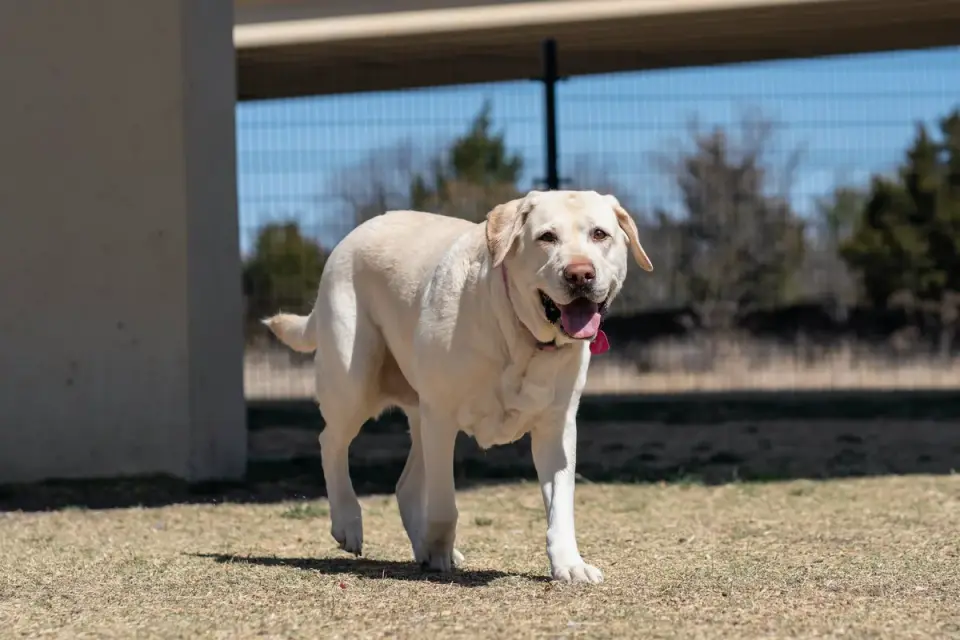
One case bends the standard script. An 11-year-old Labrador weighing 78 lb still finishes meals but takes 22 minutes instead of 6, drops kibble, and tilts his head while chewing over a 3-week span. The owner expects kidney disease and asks about prescription food. The exam finds nasal discharge on one side and facial sensitivity, and referral finds a nasal mass that changes the goal from cure to comfort, hand-fed soft meals, and appetite tracking by weight twice weekly. The lesson holds: follow chewing mechanics, not assumptions.
The Merck Veterinary Manual notes that anorexia is a sign rather than a diagnosis, with workup aimed at the underlying disorder plus supportive nutrition. Ask your vet what ideal intake looks like for your dog’s current weight, what recheck number would reassure you, and what home red flags should prompt an emergency visit.
Frequently asked questions
How long can a senior dog safely go without eating before I call?
Call within 24 hours if an older dog eats nothing for a full day, and sooner with vomiting, diarrhea, lethargy, pain, breathing change, or suspected toxin. Gradual eating less for several days also deserves a prompt appointment with a weight check and labs.
Should I switch foods first or see the vet first?
See the vet first if appetite drops for more than 2 to 3 days, weight is falling, or chewing looks painful. Keep the current diet steady, log intake, and let the exam rule out dental pain, nausea, and systemic disease before rotating proteins.
Sources
- 2023 AAHA Senior Care Guidelines for Dogs and Cats — American Animal Hospital Association