How Should You Prep for a Dog's First Night Away?
A vet explains how to prepare for a dog's first overnight stay away, from joint comfort to routine and trial boarding.
Expect a quieter, clingier dog on night one, and plan for joints, routine, and rest first.
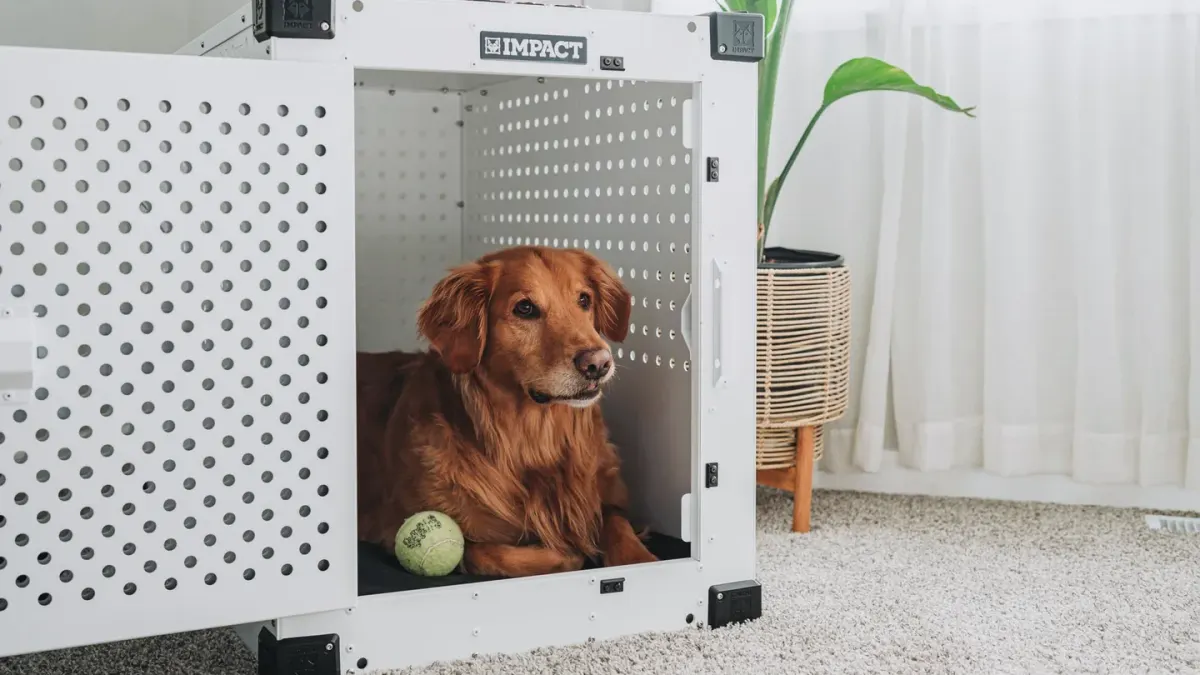
Deanna booked two nights of boarding for Kaya, her 11-year-old spayed Toy Poodle from Pasadena, Texas, and worried less about loneliness than about stiff mornings after sleeping on an unfamiliar cot.
The verdict I give in the exam room is steady: keep night one boring, familiar, and joint-friendly, because novelty raises arousal while unfamiliar surfaces and stairs load older joints differently. That expectation holds unless a medical problem, severe separation distress, or a facility problem forces a change.
Why night one is harder on legs than owners expect
A first overnight concentrates three stressors at once: changed sleep surface, changed sounds and smells, and interrupted movement patterns. Dogs that nap and shift position freely at home may hold still for hours in a kennel run while watching a new environment, then push through stiffness in one burst at morning turnout.
For a senior such as Kaya, cartilage and periarticular tissues do not love that still-then-sprint pattern. Low-impact traction matters more than cushioning alone. I have owners pack a familiar mat with a non-slip backing, ask for a ground-level run away from the barking corridor when possible, and request short, frequent potty walks rather than one long yard session.
Stress physiology explains part of the appetite dip and restlessness. Novelty increases vigilance, vigilance fragments sleep, and fragmented sleep lowers the threshold for whining, pacing, and skipped meals. That sequence does not mean the facility did something wrong.
Keep medication timing exact. If your dog takes a joint supplement, nonsteroidal anti-inflammatory drug, or calming prescription, write the clock time, dose, and with-food instruction on a card taped to the food bag.
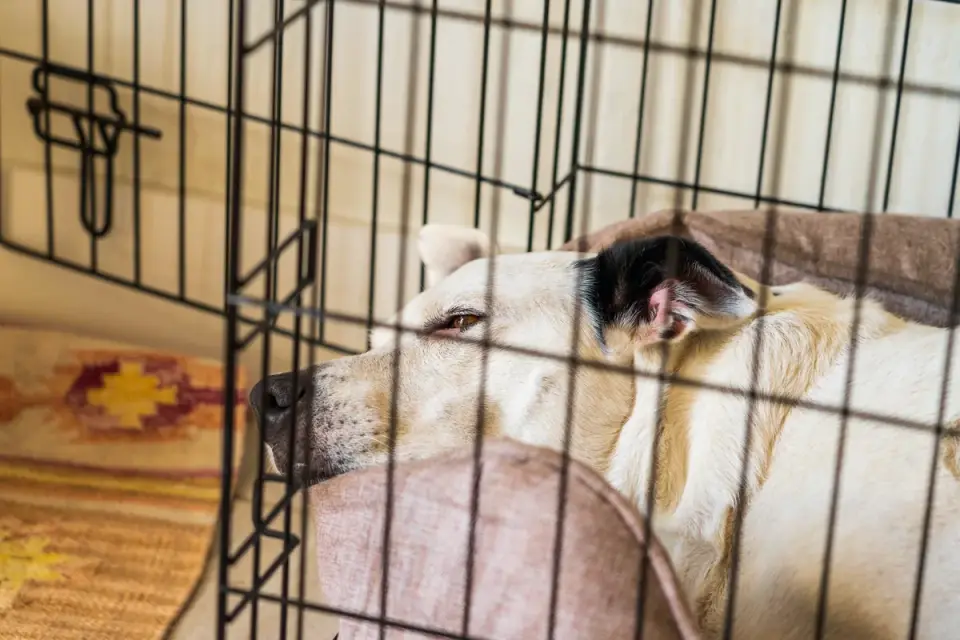
Boarding kennel versus sitter: what the trade-off really is
A well-run boarding kennel offers predictable containment, staff overnight, and clear vaccination rules. The trade is noise, odor, and less one-to-one rest. A home sitter offers continuity of couch, quiet, and routine. The trade is less supervision if the sitter leaves and more variables around stairs, rugs, and off-leash access.
Neither choice is automatically calmer for joints. Ask where the dog actually sleeps, how many stairs separate sleep from potty, what surface covers that path, and how night checks work. The American Veterinary Medical Association advises owners to confirm identification, health certificates, and facility expectations before travel, and that same paperwork pause prevents most boarding-day scrambles.
What I ask a kennel before I approve night one
I want the overnight staffing plan in plain terms: a person on site or on call, camera coverage, and a written escalation plan. I also ask about run size relative to my patient, bedding policy, feeding separation, and how they handle a dog that will not eat.
What I ask a sitter before I approve night one
I want the daily timeline, the alone-hours total, the leash and door protocol, and the emergency clinic address saved in the phone. For older dogs, I add one question: can the dog reach water, bed, and door without stairs at 2 a.m.?
For packing specifics beyond joints and bedding, owners can borrow the same checklist logic used in What to Pack in a Dog Travel First-Aid Kit and How to Travel With a Puppy for the First Time, then pare it to one overnight bag.
How to rehearse the stay in the two weeks before
Familiarity may help support lower arousal, although the evidence for any single calming aid is mixed and product-dependent. The stronger lever is rehearsal.
Do a 20-minute trial visit, then a four-hour daycare or half-day stay, then one daytime nap in the carrier or crate you will send along. Feed one meal from the travel bowl and walk on the travel leash so neither item is novel. VCA Hospitals notes that bringing familiar bedding, toys, and food plus confirming vaccination requirements can reduce boarding stress, which matches what vets often see when shy dogs settle faster with their own scent nearby.
Send food pre-portioned by meal, plus one extra meal in case pickup slips. Label everything with the dog’s name and your phone number. Keep the evening diet deliberately bland and familiar; night one is a poor time to test a new protein or chew.
Practice matters for handlers too. Write a one-page brief: feeding amount and time, walk cues, crate door quirks, noise triggers, hiding spots, and the exact phrase that means “go potty.” Tyrone, who owns Missy, a 4-year-old spayed shepherd mix from Plano, Texas, cut his handoff to six minutes by taping that sheet to Missy’s food bin for a two-night family trip.
If your trip involves a flight connection before boarding, check carrier fit and relief planning through Best Airline-Approved Dog Carriers: What “Approved” Actually Means and Airport Pet Relief Areas: How They Work.
What the joint evidence supports, and where it stays thin
Glucosamine, chondroitin, omega-3 fatty acids, and green-lipped mussel are studied for structure/function support around cartilage metabolism and normal inflammatory pathways, not as sedatives or boarding fixes. Cornell University College of Veterinary Medicine reminds owners that boarding requires current vaccinations and parasite prevention, so I schedule joint and vaccine questions in the same pre-boarding visit rather than treating supplements as protection against stress itself.
Keep expectations preventive. A supplement your dog already tolerates may help support normal mobility during a strange week, yet it will not erase a slippery floor or a missed dose window.
What would change my mind? A randomized, blinded trial showing that starting a specific joint ingredient three days before kenneling improves validated mobility or sleep scores versus familiar bedding and routine alone. Until that exists, I prioritize traction, routine, dose continuity, and rest.
It is a short sentence to carry into drop-off: boring is kind.
Will night two be easier if night one stays deliberately uneventful?
Frequently asked questions
How early should I book a first overnight boarding stay?
Book two to three weeks out when possible, and schedule a brief trial visit first so vaccines, paperwork, and bedding fit can be corrected before night one.
Should I bring my own food and bedding?
Yes. Pre-portioned familiar food plus a familiar, washable mat with non-slip backing supports routine and traction better than new items.
When should I call the vet during the stay?
Call for repeated vomiting or diarrhea, refusal of food and water beyond 24 hours, lameness that does not resolve after a short warm-up walk, or distress that escalates rather than settling overnight.
Sources
- Traveling with Your Pet — American Veterinary Medical Association
- Boarding Your Dog — VCA Hospitals