How to Visit Family With Your Dog and Their Cat
Visiting family with a dog when a cat lives there takes planning for joints, stress, and safe introductions.
Expect separate spaces first, slow introductions next, and protect stiff joints from stairs, slippery floors, and long car rides.

Anita knew Henley would be the easy guest in Vallejo until she pictured the stairs, the hardwood hallway, and her sister’s resident cat watching from the bookshelf.
That picture is the right place to start. A dog-cat holiday visit is not an introduction problem alone. It is a mobility, stress, and management problem happening at the same time, and older or stiff dogs feel all three first.
My position after years of counseling traveling clients: keep them separated first and earn shared space slowly. Vets often see the alternative fail, with a chase in an unfamiliar house, a cat scratch, or a sore dog that will not settle for two days.
Pre-trip checklist you can act on
- Ask about the cat’s safe room, dog stairs and gates, floor surfaces, and house rules before you pack
- Keep vaccines, medications, joint supplements, and contact numbers in one folder
- Plan car breaks and joint-friendly loading for the ride there
- Set up a dog-only rest zone on arrival, away from the cat’s core territory
- Use scent swapping and feeding on opposite sides of a closed door before any visual contact
- Keep early meetings short, leashed, and treat-paired, then separate again
- Protect meals, litter box access, and nighttime routines with closed doors and baby gates
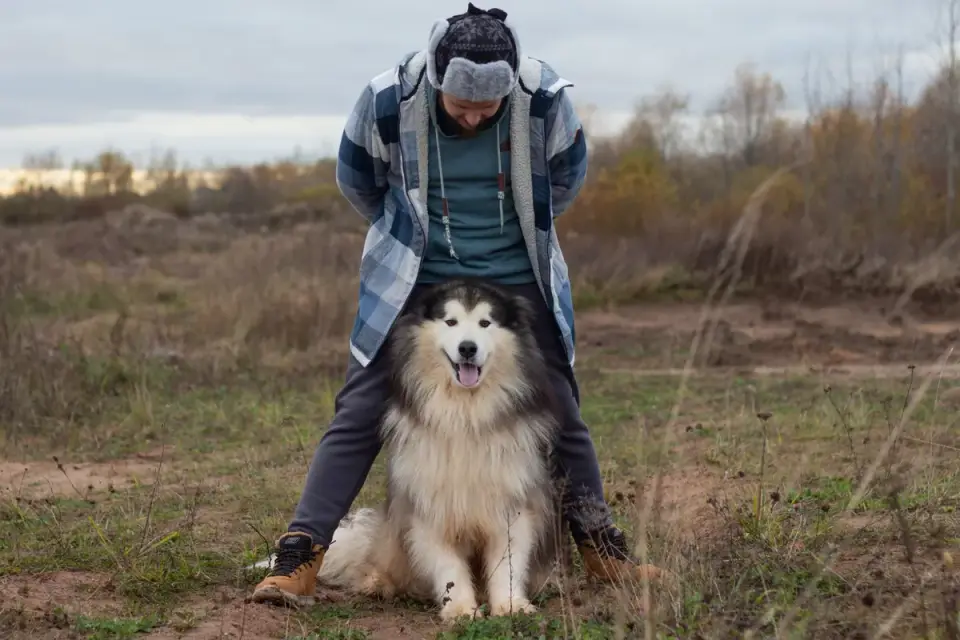
Ask the layout questions before you promise a calm visit
Call your host early and get specifics. Where does the cat eat, sleep, and use the litter box? Is there a spare bedroom with a door that can become the dog zone? Are there baby gates, a crate space, and a non-slip path from the door to that room?
For dogs with arthritis or reduced mobility, ask about entry steps, bedroom location, and flooring. Slippery hardwood and tile increase slip risk, and repeated stair climbs can aggravate stiffness after travel. A first-floor sleeping spot often prevents the next-day soreness clients describe as lagging, refusing stairs, or needing help into the car.
Pack for the dog you have, not the dog you hope travels. Bring leash, long line for yard checks, crate or mat, non-slip rug runner, medications, measured food, high-value treats, litter-box-proof trash plan, and enzymatic cleaner. Keep your veterinarian and an emergency clinic number saved for the destination ZIP code.
Travel itself deserves joint planning. Long car rides with no movement leave stiff dogs worse on arrival. Plan brief sniff and walk breaks, lift or ramp large or senior dogs in and out rather than letting them jump, and secure them properly. If you are driving, review what crash protection actually involves in our explainer on Best Crash-Tested Dog Car Harnesses: What the Evidence Actually Shows and pack everyday gear using Best Dog Car Travel Gear: A Brand-Neutral Buyer’s Guide.
Vicki learned this with Sheeba, her 3-year-old Cavalier King Charles Spaniel, before a Coral Springs visit with a resident cat. She added one 6-foot washable runner, scheduled a stretch break every 2 hours on a 4-hour drive, and kept the first evening completely separate. Sheeba settled in one night instead of pacing for three.
Arrival sets the tone: separate first, always
Give the cat continuity and give the dog decompression. Set up the dog room with water, mat, chew, and white noise before the cat ever sees the dog. Let the cat stay in its preferred territory with litter, food, and hiding places intact.
The evidence for slow introduction is strong in feline behavior guidance. The American Association of Feline Practitioners emphasizes low-stress handling, control of the environment, and attention to feline body language to reduce fear and arousal. The Cornell University College of Veterinary Medicine outlines staged scent, feeding, and visual steps for cat introductions that translate well to a short dog visit: swap bedding, feed on opposite sides of a closed door, then allow brief visual contact only when both animals eat calmly.
Keep the dog leashed indoors for the first 24 hours. Reward disengagement from the cat door, not fixation. Allow the cat to choose distance and vertical escape routes. Never carry the cat toward the dog for a greeting.
Where slow wins, and where separation keeps winning
Slow wins when both animals show soft signals. The dog can take treats, respond to cues, and look away from the cat. The cat eats normally, explores, and returns to resting spots. Then you can progress to cracked-door sessions, a baby gate with the dog on leash, and parallel settle time across the room.
Separation keeps winning when arousal stays high. That looks like staring, whining, lunging, or inability to settle in the dog, and hiding, hissing, swatting, flattened ears, or litter box avoidance in the cat. In practice, short visits rarely need full integration. Parallel lives in the same house for three days is a success.
This is also where joint needs change the plan. A stiff dog that must climb stairs to reach the only dog-friendly room will rehearse pain and restlessness near the cat. Move the dog zone. Add traction. Keep walks short and frequent rather than one long make-up walk that leaves the dog sore that night.
Manage resources like a referee, not a optimist
Most dog-cat conflict on visits is resource conflict, not personality. Feed in separate closed rooms and pick bowls up between meals. Keep the litter box behind a cat-only pass or closed door with a cat door; dog access to litter creates guarding and unhygienic scavenging. Secure cat food, which is often richer and more attractive to dogs.
Nighttime deserves explicit rules. Crate or gate the dog in its room. Let the cat keep its normal overnight range. Close bedroom doors rather than trusting tired animals to self-regulate at 2 a.m.
Kids and schedules need the same clarity. Assign one adult to the dog during cooking and arrivals. Ask family not to open the dog room door without checking, not to lure the cat out, and not to feed table scraps that upset stomachs and complicate medication timing.
If you fly to this visit, confirm pet policy and relief logistics before you assume the dog can ride easily. Check Airline Pet Policies: What to Check Before You Book and Airport Pet Relief Areas: How They Work so travel stress does not spill into the first cat session.
Support calm bodies without promising calm behavior
No supplement or diet makes a dog cat-safe. What evidence-based joint support can do is may help support comfort and mobility during an abnormal week of travel, stairs, and restricted exercise. Omega-3s, glucosamine and chondroitin, and green-lipped mussel are studied most often for structure/function support, but doses, forms, and study populations differ and results are mixed.
The National Center for Complementary and Integrative Health summarizes omega-3 research and its limits without overstating joint outcomes. That restraint is the right model here. Keep any ongoing joint routine consistent on the trip, do not start three new products the night before travel, and ask your own veterinarian about timing and interactions with prescribed pain medication.
Expect some regression. Appetite dips, lighter sleep, and next-day stiffness are common after travel. Brief, predictable routines help more than extra stimulation. Same walk loop. Same bedtime cue. Same morning potty-then-breakfast order.
A short recap: separate spaces protect both species, staged scent and feeding predict shared calm better than one hopeful meeting, and joint-friendly floors and schedules keep a stiff dog from unraveling the plan.
Frequently asked questions
How long should a visiting dog and resident cat stay separated?
Plan on at least the first evening and night apart, then use calm eating and relaxed body language on opposite sides of a closed door as your criteria to progress. Many short visits do best with mostly separate routines.
What is the safest first meeting setup?
Dog on leash at distance, cat free to leave, with a gate or cracked door between them. Keep sessions under five minutes, reward calm disengagement, and end before excitement rises.
How do I protect an older dog's joints in someone else's house?
Choose a first-floor rest area, add a non-slip runner, use a ramp or assist for car and steps, and take shorter, more frequent walks. Keep any prescribed joint routine unchanged unless your veterinarian advises otherwise.
Sources
- Omega-3 Supplements In Depth — National Center for Complementary and Integrative Health