Why Older Dogs Eat More Slowly
A plain-spoken guide to sore mouths, fading smell, neck stiffness, and cognitive shifts behind slow meals, and when to call your vet.
When older dogs eat more slowly, comfort and senses are usually telling the story.
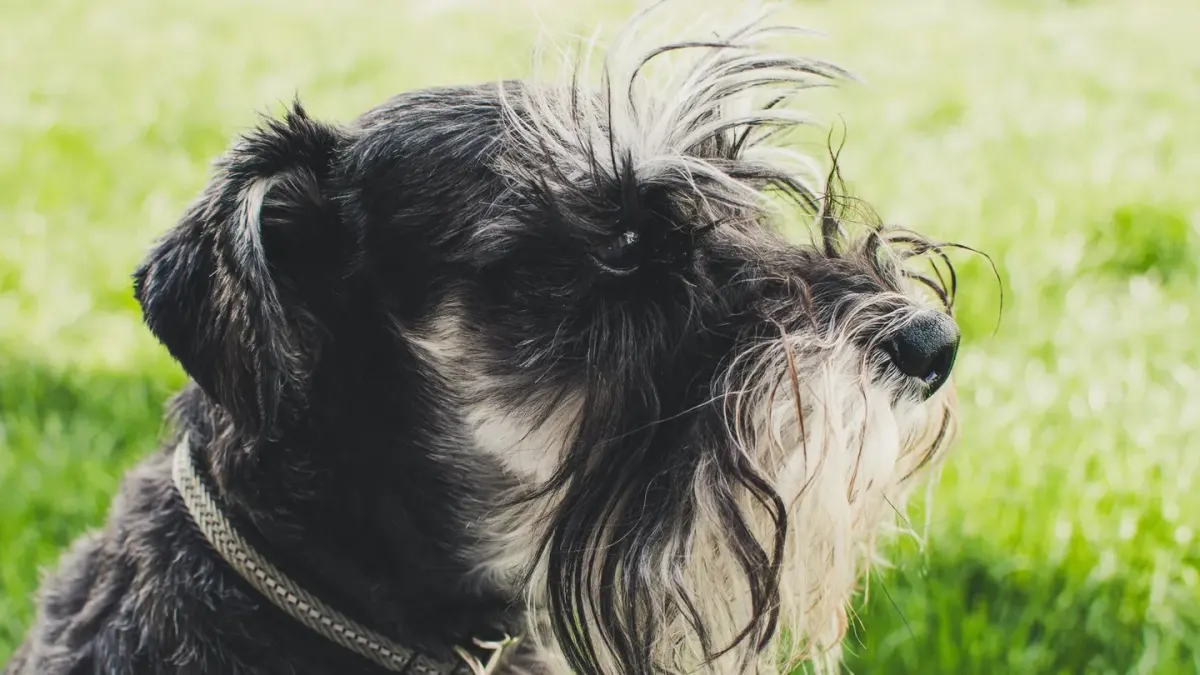
The first slowdown I picture is a 13-year-old beagle mix eating breakfast on cold kitchen tile while his person gets ready for work. He still trots to the bowl and his tail still thumps, so motivation looks intact. What changed is pace and cleanup. A meal that used to vanish in under four minutes now stretches past ten, with kibble pushed around and dropped. At his last check he had slipped from 29 to 27 pounds without anyone changing portions. That weight shift made the decision concrete for his owner: stop assuming pickiness and book a hands-on mouth and neck comfort exam first.
If you are seeing that same drift, here is my verdict after years of hands-on mobility work. Prioritize whole-patient comfort before you change foods, toppers, or routines. In my lane that means teeth and gums, nose and appetite drive, and neck, jaw, and front-leg ease, checked together. It is not a quick fix, and that is the point. Balance across those systems explains most slow eating in seniors.
That pause matters.
Slow meals usually trace to mouth, nose, or posture
Chewing is joint work. Sore teeth, inflamed gums, or a tender jaw joint can turn every crunch into a negotiation, so dogs drop food, chew on one side, or take breaks. As AVMA notes in its overview of pet dental care, regular oral exams and professional care matter because dental problems are common and often quiet at first. You will notice the behavior before you see the tooth.
Smell and taste shift with age too. Dogs live by scent, and when scent dulls, food seems flat and less urgent. Research in people shows the same pattern, and the National Institute on Aging explains how loss of smell with aging can change appetite and interest in meals. For an old dog, warm food smells stronger than cold kibble straight from the bag, which is why warming sometimes helps for a night.
Posture is the piece owners miss. Eating from a low bowl asks for sustained neck flexion, shoulder loading, and standing balance. If the neck is stiff from spondylosis, if the front feet slip on tile, or if standing aches, your dog may eat a few bites, sit, walk off, and return. That start-stop rhythm looks like fussiness. It is often comfort pacing.
Cognition plays a smaller but real role. Dogs with early cognitive change may stare, get stuck in corners, forget the bowl location, or eat at odd hours. If you are tracking broader aging shifts, this guide to Early Signs of Aging in Dogs: What Actually Changes First lays out what tends to appear first, and a vet workup for memory concerns is described in How Canine Cognitive Dysfunction Is Diagnosed by a Vet. I keep cognitive change on the list, but I do not lead with it until mouth, nose, and movement have been checked.
Why flavor swaps often fail
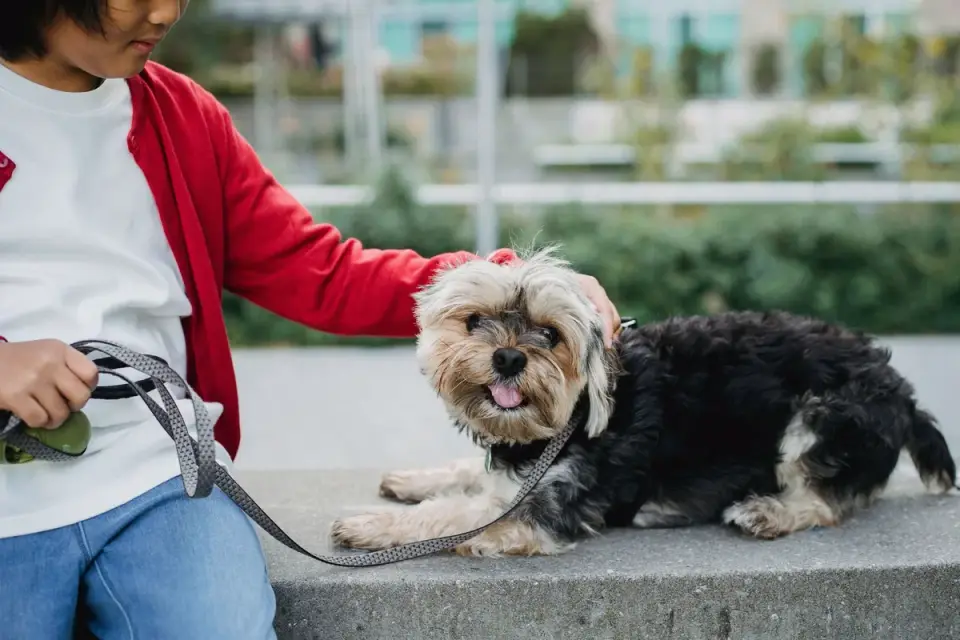
Another pattern I see is a tall 10-year-old shepherd-type who started taking forever over dinner in a busy family kitchen. His family tried what a lot of us try first. They warmed the food, then added toppers, then switched proteins twice in one month. He ate a little faster for a night or two, then stalled again and left half his bowl three mornings in a row. The tradeoff was easy to miss. All that switching hid the real clue, which was head-shy chewing on one side and a stiff neck turn after naps. Chasing flavor had delayed a simple comfort check that would have explained the slowdown sooner.
I reject the food-first approach for that reason. Constant switching can upset digestion, mask pain, and teach you nothing. A calmer sequence helps maintain comfort while you gather information. Watch which side your dog chews on, whether dry kibble is dropped whole, whether wet food is easier, and whether raising the bowl to chest height shortens the pauses. Note drool, pawing at the mouth, bad breath, sneezing, nasal discharge, or coughing while eating. As VCA Hospitals describes in its review of dental disease in dogs, buildup, gum inflammation, and tooth loss can progress from redness to eating difficulty, so early signs deserve attention before meals collapse.
From a TCVM view I also look at overall balance. Acupuncture, Tui-na, and gentle medical manipulation may help support neck mobility and general ease of movement, which in turn may help support a calmer stance at the bowl. Western herbs and Chinese herbal context can be part of that plan for some dogs, but only within a vet exam and never as a substitute for dental or pain care. Structure and function language fits here: we are helping maintain comfortable movement, not treating disease from the kitchen.
Small setup changes that respect an old body
Then there is the outlier who forces you to bend the usual raise-the-bowl and soften-the-food routine. She is a small 15-year-old terrier mix in an apartment, bright and hungry but easily startled at dusk. Her person set up a quiet corner, raised the dish, and soaked the kibble, yet she still walked away. What helped was watching the whole path, not just the bowl. She hesitated about 15 feet down the hallway where a rug edge curled and the light glared. Moving meals to a non-slip mat near her bed and keeping the room lit changed the pattern within two evenings, and she finished without the long pauses.
That is the bend I want you to remember. The standard advice of soften, warm, raise, and quiet the room works for many seniors. When it does not, widen the lens to footing, lighting, noise, bowl shape, and timing. Shallow wide bowls suit short muzzles and sore whiskers. Non-slip mats suit weak hind ends. Smaller, more frequent meals suit dogs that tire while standing. If back-leg weakness is part of the picture, this explainer on Why a Dog’s Back Legs Give Out — and What Actually Helps can help you sort support from therapy.
A skeptical friend will ask, is this not just old age doing its thing. My plain answer is no. Age sets the stage, but pain, smell loss, dental soreness, and stiffness write the script. You cannot reverse age, yet you can often improve the conditions around the meal. That distinction keeps you from shrugging while weight slips.
Call your vet promptly if slow eating comes with weight loss, drooling blood, facial swelling, loose teeth, refusal for more than a day, vomiting, diarrhea, coughing or choking, heavy panting, or a sudden change after trauma or anesthesia. Bring a short log: when it started, wet versus dry, side preference, time at the bowl, and any neck or leg stiffness you see. That log turns a vague worry into a useful exam.
Frequently asked questions
Is it normal for a senior dog to eat slower?
Some slowing is common as teeth, smell, and joints change, but steady slowing, dropping food, or weight loss should be checked rather than assumed to be normal aging.
Should I soften food if my old dog eats slowly?
Softening or warming can help you test whether texture or smell is the issue, but use it as a short trial while you arrange a mouth and comfort exam if the pattern lasts more than a few days.
When is slow eating an emergency?
Call promptly for facial swelling, bleeding from the mouth, inability to swallow, choking or repeated coughing at meals, refusal beyond 24 hours, or rapid weight loss.
Sources
- Pet Dental Care — AVMA
- Dental Disease in Dogs — VCA Hospitals
- Smell and Taste — National Institute on Aging